Selecting and maintaining appropriate work floors represents one of the most critical decisions for commercial and industrial facility managers across South East Queensland. These surfaces endure constant traffic, heavy equipment loads, chemical exposure, and operational demands that would quickly destroy standard flooring. Understanding the technical requirements, safety standards, and performance characteristics of work floors ensures your facility operates efficiently while protecting both personnel and assets. The right flooring solution directly impacts productivity, workplace safety, and long-term operational costs.
Understanding Work Floor Performance Requirements
Work floors must satisfy multiple demanding criteria simultaneously. Unlike residential surfaces, these industrial-grade installations face unique challenges that require specialized materials and application techniques.
Load-Bearing Capacity and Structural Integrity
The foundation of any effective work floor system begins with its ability to withstand operational loads. Manufacturing facilities routinely subject their floors to forklift traffic, pallet jacks, and stationary equipment weighing several tonnes. OSHA workplace floor standards specify minimum requirements for load distribution and structural adequacy.
Key load considerations include:
- Point loads from machinery feet and support structures
- Dynamic loads from moving equipment and vehicles
- Impact resistance from dropped materials or tools
- Sustained pressure from racking systems and storage configurations
Concrete substrates typically provide the necessary structural foundation, but the finishing system must distribute these forces without cracking, delaminating, or developing surface defects. Industrial concrete flooring contractors assess substrate conditions before recommending appropriate surface treatments that maintain structural integrity throughout the floor’s service life.

Chemical and Environmental Resistance
Work floors in commercial kitchens, factories, and workshops encounter aggressive substances daily. The chemical resistance of your flooring system determines its longevity and maintenance requirements.
Different environments demand specific resistance properties:
| Environment Type | Primary Exposures | Required Resistance |
|---|---|---|
| Commercial Kitchens | Oils, fats, cleaning chemicals, hot water | Food-grade, antimicrobial, thermal shock |
| Manufacturing Facilities | Solvents, lubricants, coolants, acids | Chemical-specific resistance, impermeability |
| Warehouses | Minor spills, moisture, detergents | General chemical resistance, moisture barrier |
| Automotive Workshops | Petroleum products, brake fluid, battery acid | Hydrocarbon resistance, stain prevention |
The selection process requires matching the flooring chemistry to your facility’s specific exposure profile. Some work floors incorporate epoxy moisture control systems to prevent substrate degradation from groundwater migration or cleaning operations.
Safety Standards for Work Floors
Workplace safety directly correlates with appropriate flooring specifications. Regulatory compliance and risk mitigation strategies both depend on selecting surfaces with appropriate safety characteristics.
Slip Resistance and Traction Control
Slip and fall incidents represent significant workplace hazards across industrial environments. Work floors must provide adequate traction under both dry and wet conditions, particularly in areas where liquids are present.
Sustainable slip resistance standards emphasize maintaining these properties throughout the floor’s lifecycle rather than only when newly installed. Commercial facilities should specify slip resistance ratings appropriate to their operational conditions, with R9 to R11 ratings covering light to heavy wet-traffic areas.
Traction enhancement methods include:
- Textured surface profiles that increase friction
- Aggregate broadcasting for mechanical grip
- Chemical treatments that modify surface characteristics
- Strategic placement of anti-slip zones in high-risk areas
Many facilities implement anti-slip flooring solutions in specific zones while maintaining smoother surfaces where equipment operation requires easy movement. This zoned approach balances safety with operational efficiency.
Electrical Safety and ESD Protection
Certain industrial environments require work floors that manage static electricity. Electronics manufacturing, pharmaceutical production, and munitions handling all demand controlled electrical properties to protect sensitive equipment and prevent ignition hazards.
International ESD floor standards specify resistance ranges for different applications. Conductive floors dissipate charges immediately, while static-dissipative systems control discharge rates to prevent equipment damage. These specialized work floors integrate conductive materials and require proper grounding connections to function effectively.

Material Selection for Different Work Environments
The diversity of commercial and industrial applications demands varied flooring solutions. Understanding material characteristics helps facility managers make informed decisions aligned with operational requirements.
Epoxy Systems for Heavy-Duty Applications
Epoxy-based work floors dominate industrial installations due to their exceptional durability and chemical resistance. These systems bond directly to concrete substrates, creating monolithic surfaces without joints or seams where contaminants might accumulate.
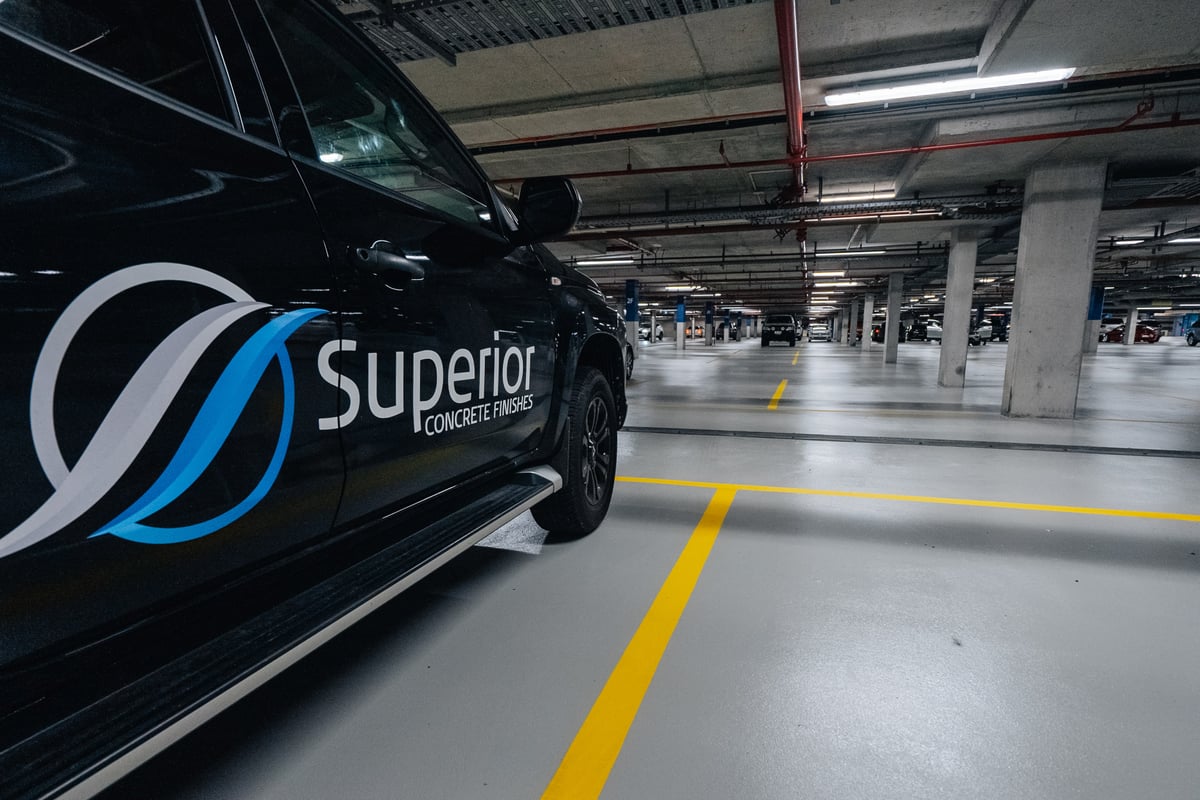
Epoxy flooring systems deliver proven performance in warehouses, workshops, factories, and undercover car parks. The resin-hardener chemistry creates cross-linked polymers that resist impact, abrasion, and chemical attack. When properly installed by experienced epoxy flooring contractors, these surfaces provide decades of reliable service with minimal maintenance.
Application versatility allows epoxy work floors to accommodate specific facility needs. Thickness variations from thin seal coats to heavy build-ups address different wear patterns and substrate conditions. Broadcast aggregates can increase slip resistance in wet areas, while self-leveling formulations create smooth surfaces for cleanliness-critical environments.
Polished Concrete for Retail and Office Spaces
Polished concrete offers distinct advantages for commercial work floors where aesthetics complement functionality. The mechanical grinding and polishing process densifies the concrete surface while revealing natural aggregate patterns.
This treatment creates reflective surfaces that enhance lighting efficiency and present a professional appearance suitable for retail stores and office environments. The increased surface hardness resists wear from foot traffic and light wheeled equipment. Unlike coating systems, polished concrete cannot delaminate because the treatment modifies the concrete itself rather than applying a separate layer.
Maintenance requirements remain minimal compared to other commercial flooring options. Regular dust mopping and periodic repolishing maintain appearance and performance without the chemical strippers or frequent recoating associated with softer surfaces.
Specialized Coatings for Unique Requirements
Some work floors demand characteristics beyond standard epoxy or polished concrete systems. Food processing facilities require seamless, impervious surfaces with antimicrobial properties and thermal shock resistance. These installations often specify polyurethane or methyl methacrylate systems that cure rapidly and withstand both freezing temperatures and hot washdowns.
Manufacturing environments with specific functional safety requirements may need work floors that integrate with broader safety instrumented systems. Chemical plants, refineries, and similar high-hazard facilities incorporate flooring into comprehensive safety protocols addressing containment, drainage, and emergency response.
Installation Considerations for Work Floors
Proper installation techniques separate successful long-term performance from premature failure. Even premium materials underperform when application procedures ignore fundamental requirements.
Substrate Preparation Standards
The concrete substrate must meet specific criteria before any coating or treatment application. Surface preparation represents the single most critical factor determining bond strength and system longevity.
Essential preparation steps include:
- Concrete moisture testing using calcium chloride or relative humidity methods
- Surface profile creation through shot blasting, grinding, or scarification
- Crack repair and joint treatment to prevent reflective damage
- Contamination removal including oils, curing compounds, and existing coatings
- Substrate strength verification ensuring adequate tensile and compressive properties
Many work floor failures trace directly to inadequate preparation. Moisture-related delamination, poor adhesion, and premature wear often result from rushing this crucial phase. Professional contractors understand that epoxy flooring preparation determines whether the investment delivers expected performance or requires costly remediation.
Environmental Controls During Application
Temperature, humidity, and ventilation conditions affect curing chemistry and final properties. Epoxy and polyurethane systems require specific environmental windows for optimal results.
| Environmental Factor | Typical Requirements | Impact of Deviation |
|---|---|---|
| Temperature | 10-30°C | Slow cure, poor flow, or rapid gelation |
| Relative Humidity | Below 85% | Surface defects, adhesion loss |
| Dew Point | Substrate 3°C above | Moisture contamination, blushing |
| Ventilation | Adequate air movement | Solvent retention, odour issues |
Commercial installations scheduled during operational hours must coordinate application timing with facility activities. Many projects occur during shutdown periods or overnight to minimize disruption while maintaining proper environmental conditions.
Maintenance Strategies for Extended Service Life
Even the most durable work floors require systematic maintenance to preserve performance characteristics. Proactive care prevents minor issues from escalating into expensive repairs or premature replacement.
Daily and Weekly Cleaning Protocols
Regular cleaning removes abrasive particles that gradually wear surface coatings. Grit tracked in from outside acts like sandpaper under foot and vehicle traffic, accelerating deterioration.
Effective maintenance programs include:
- Daily dust mopping or sweeping to remove loose debris
- Weekly damp mopping with pH-neutral cleaners appropriate to the flooring system
- Immediate spill cleanup preventing chemical exposure and slip hazards
- Entrance matting systems capturing contaminants before they reach work floors
Maintaining polished concrete requires different approaches than coated systems. Periodic repolishing with progressively finer diamond tooling restores gloss and surface hardness without chemical strippers or recoating.
Periodic Inspection and Repair
Systematic inspection identifies developing issues before they compromise floor integrity. Monthly walk-throughs should document:
- Surface wear patterns indicating high-traffic zones
- Crack development or existing crack movement
- Delamination or coating disbondment
- Chemical staining or etching
- Joint condition and sealant integrity
Small repairs addressed promptly prevent water intrusion, further cracking, and expansion of damaged areas. Professional assessment determines whether localized patching suffices or whether broader restoration work becomes necessary.
Cost Analysis and Return on Investment
Work floors represent significant capital investments requiring financial justification. Understanding total ownership costs rather than only initial installation expenses supports informed decision-making.
Initial Installation Investment
Flooring costs vary considerably based on system selection, facility conditions, and project complexity. Basic concrete sealing starts around $25-40 per square metre, while heavy-duty epoxy systems range from $60-120 per square metre. Specialized systems for food processing or ESD control command premium pricing reflecting their technical requirements.
Cost factors include:
- Surface preparation intensity and substrate repairs
- System thickness and number of coats
- Special performance requirements (chemical resistance, temperature range)
- Project size and economies of scale
- Site access and logistics considerations
- Timeline constraints requiring accelerated scheduling
Lowest initial cost rarely correlates with best value. Inappropriate flooring selections that fail prematurely or require frequent repairs ultimately cost more than properly specified systems delivering expected service life.
Long-Term Operational Savings
Durable work floors reduce operational costs through multiple mechanisms. Energy-efficient polished concrete surfaces improve lighting effectiveness, reducing electricity consumption. Seamless epoxy installations eliminate harbourage points where contaminants accumulate, decreasing cleaning time and chemical usage.
Making industrial flooring safer and more efficient reduces injury claims, insurance premiums, and lost productivity from incidents. Chemical-resistant surfaces prevent substrate damage requiring expensive remediation or equipment replacement.
Calculating return on investment should account for:
- Reduced maintenance labour and materials
- Extended replacement intervals compared to inferior alternatives
- Avoided downtime during repairs or premature replacement
- Enhanced property value and tenant appeal
- Regulatory compliance reducing liability exposure
Many commercial operators find that premium work floors justify higher initial costs through superior lifecycle economics.
Design Considerations for Functional Efficiency
Beyond performance specifications, thoughtful design enhances operational efficiency and workplace organization. Strategic flooring choices support workflow optimization and safety protocols.
Color Coding and Wayfinding
Visual floor markings integrated into the flooring system eliminate the need for painted lines requiring constant repainting. Coloured epoxy demarcates traffic lanes, work zones, and safety areas with permanent durability.
Workplace flooring design principles emphasize clarity and consistency. Pedestrian walkways in contrasting colours separate foot traffic from vehicle operations. Hazard zones surrounding machinery receive high-visibility treatment alerting personnel to increased risk.
Some facilities implement comprehensive colour schemes where different departments or functional areas receive distinct flooring treatments. This visual organization assists navigation in large facilities while reinforcing safety awareness.
Drainage and Moisture Management
Work floors in commercial kitchens, breweries, and washdown areas require integrated drainage solutions. Sloped floors direct liquids toward collection points, preventing pooling that creates slip hazards and hygiene issues.
Trench drains or point drains incorporated during installation channel effluent to wastewater systems. The flooring system must seal properly around these penetrations while accommodating thermal expansion and structural movement. Food-grade flooring installations prioritize seamless transitions preventing bacterial growth in joints or gaps.

Selecting Qualified Contractors
Installation quality determines whether work floors deliver expected performance. The contractor’s experience, qualifications, and quality systems directly impact project outcomes.
Essential Qualifications and Credentials
Commercial flooring contractors should demonstrate:
- Valid QBCC licensing for commercial concrete work
- Comprehensive insurance coverage including public liability and workers compensation
- Manufacturer certifications for specialized systems
- Documented experience with similar project types
- Quality management systems ensuring consistent execution
References from comparable projects provide insight into contractor capabilities and reliability. Site visits to completed installations reveal workmanship quality and long-term performance.
Project Planning and Communication
Successful installations require detailed planning addressing logistics, scheduling, and coordination with other trades. Clear communication protocols ensure all stakeholders understand timelines, access requirements, and milestone deliverables.
Professional contractors provide:
- Detailed scope documentation eliminating ambiguity
- Project schedules with realistic timeframes
- Safety management plans addressing site-specific hazards
- Quality assurance procedures with inspection hold points
- Warranty terms specifying coverage and exclusions
Facilities should verify that proposed systems align with their operational requirements rather than accepting generic recommendations. Choosing commercial flooring demands understanding how specific options address your facility’s unique conditions and performance expectations.
Regulatory Compliance and Safety Standards
Work floors must satisfy various regulatory requirements depending on industry sector and facility type. Non-compliance creates legal liability while potentially endangering personnel.
Australian Standards and Building Codes
Work floors fall under multiple standards addressing construction, safety, and accessibility. The National Construction Code establishes baseline requirements for commercial buildings, while Australian Standards specify performance criteria for specific applications.
Flooring safety standards encompass slip resistance, fire resistance, and structural adequacy. Food processing facilities must meet additional hygiene and sanitation requirements. Understanding applicable regulations ensures specification compliance from project conception.
Industry-Specific Requirements
Pharmaceutical manufacturing, chemical processing, and other regulated industries impose stringent flooring standards. These facilities require documentation demonstrating compliance with industry protocols and quality systems.
Work floors in these environments often integrate with comprehensive safety management systems. Containment, cleanability, and chemical resistance specifications exceed general commercial requirements. Third-party testing and certification may be mandatory for regulatory approval.
Future-Proofing Your Flooring Investment
Strategic planning considers not only current requirements but also anticipated changes in facility use, operational intensity, or regulatory standards.
Adaptability and Modification Potential
Facilities evolve over time as businesses grow, processes change, or tenancies turn over. Work floors should accommodate reasonable modifications without complete replacement.
Epoxy systems accept overcoating when properly prepared, allowing colour changes or performance upgrades. Polished concrete withstands repolishing multiple times throughout its service life. Modular areas or phased installations provide flexibility for staged expansions or renovations.
Sustainability and Environmental Considerations
Modern commercial operators increasingly prioritize environmental performance alongside traditional criteria. Concrete-based work floors inherently offer sustainability advantages through:
- Long service life reducing replacement frequency and material consumption
- Local material sourcing minimizing transportation impacts
- Thermal mass properties moderating temperature fluctuations
- Low VOC emissions after proper curing
- Recyclability at end of life
Some certification programs like Green Star recognize sustainable flooring choices. While environmental attributes shouldn’t override performance requirements, they provide valuable differentiation when comparing systems meeting functional specifications.
Selecting appropriate work floors requires balancing performance requirements, safety standards, lifecycle costs, and operational constraints specific to your commercial or industrial facility. The right flooring system protects your investment while supporting daily operations through reliable, durable surfaces engineered for demanding environments. If you’re planning a flooring project for your South East Queensland warehouse, factory, retail store, or commercial facility, the experienced team at Superior Concrete Finishes delivers proven epoxy and polished concrete solutions backed by decades of industry expertise, full licensing, and comprehensive insurance coverage.

Joshua Miller has over 15 years of experience in the commercial concrete flooring industry, specialising in epoxy flooring systems and polished concrete solutions for warehouses, factories, retail spaces and commercial developments. Joshua and his team work closely with builders, property owners and facility managers across South East Queensland to deliver durable, cost-effective commercial flooring systems for warehouses, industrial facilities, commercial kitchens, retail stores and large commercial developments.
Major builders and organisations Josh has led projects on include McNab, Hutchinson Builders, IKEA, Queensland Rail, University of Queensland, ADCO, Tomkins Commercial, Bunnings, OfficeWorks, Spotlight, and Anaconda.
If you're planning a project and need advice on the best commercial concrete flooring solution, contact Josh or one of the team at Superior Concrete Finishes.
-
 info@superiorconcretefinishes.com.au
-
1300 789 740
-
Connect with Josh on
LinkedIn


 Connect with Josh on